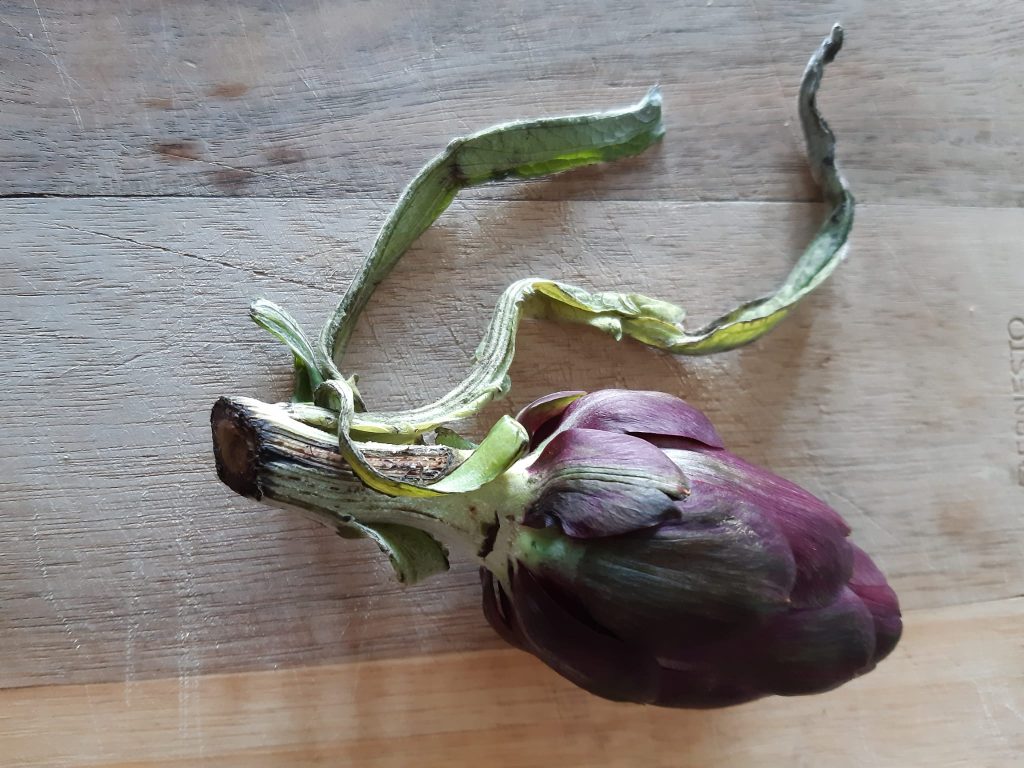
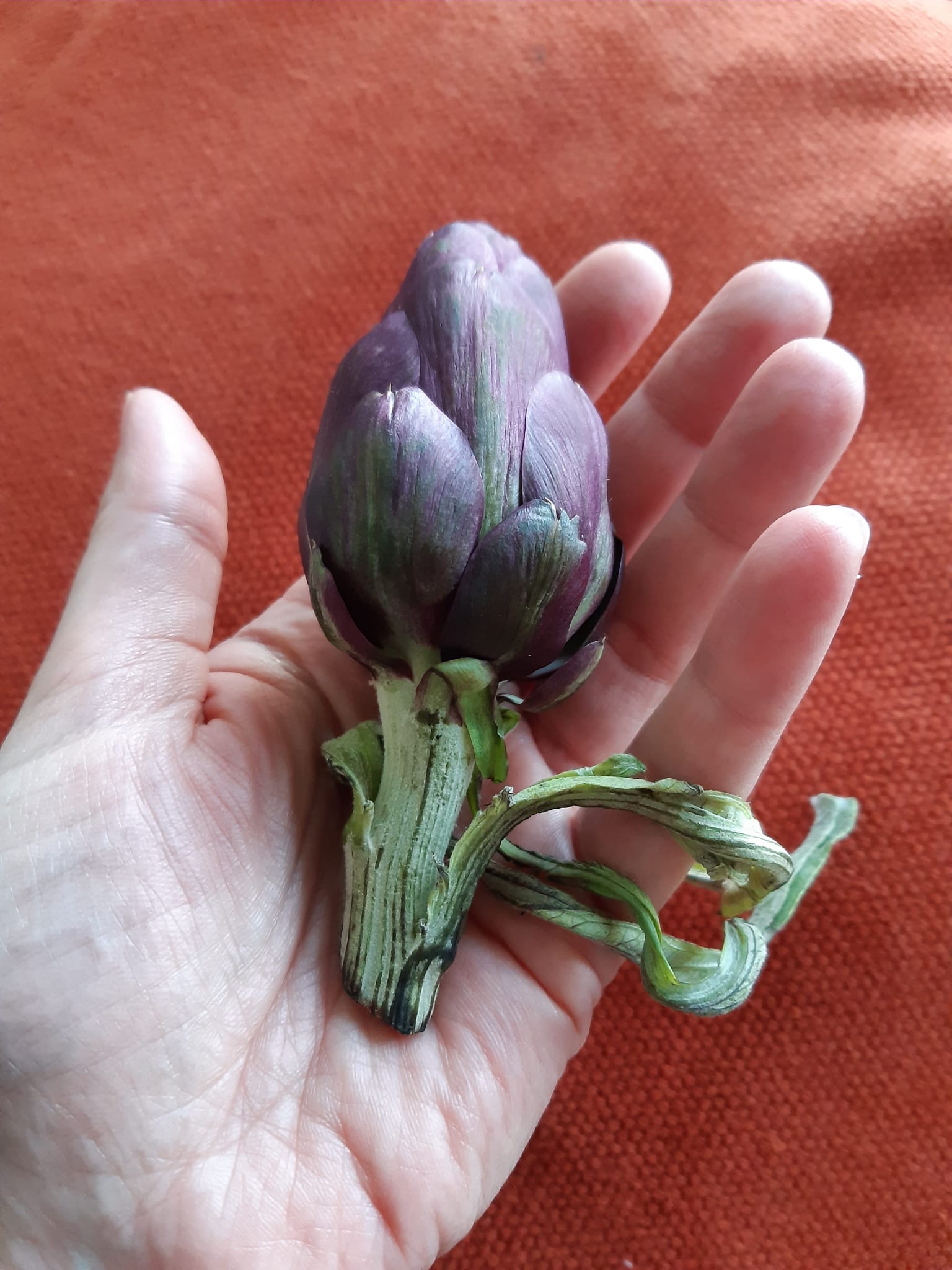
Review your plant repertoire and let us know if you know what castraure are.
We did not have this word in our language repertoire, nor the knowledge of how to use it, where it grows, and its cultural significance. Castraure are a special seasonal type of artichoke, violet in colour and cultivated in the Venetian lagoon on Sant’Erasmo island. Available only in April and May, they are among the first to be harvested and are praised for their mild bitter taste which makes them suitable to eat raw with olive oil, sea salt and a dash of lemon.
Two members of the SDLL team, Dobrochna Futro and Lavinia Hirsu attended in April 16-17, 2026 the celebration event for the project Eco-stories: A Digital toolbox for the English Classroom for Building a Climate-Just Future which gathered researchers, teachers and learners under the banner of “Ecopedgaogy in the Foreign Language Classroom: Promoting Justice, Care and Relationality.” The team shared insights from the Sustainable Designs project in the format of a workshop which involved the exploration of local Venetian plants and fruit (mint, strawberries and castraure). This allowed us to demonstrate how we connect multilingual language learning, personal connections with nature and its elements, and the arts-based methodology that activates a shared learning space.
At the event, we had the opportunity to reflect on what key terms such as ecological pedagogies, environmental studies, eco-criticism and ecolinguistics do to our understandings of literacy, language learning and lived embodied practices. We explored how approaches embedded in nature link us to storytelling, intimate points of human vulnerability, resilience and poesis.
While the event lasted only for two days, the rich and in-depth conversations reminded us how much productive work can be done in this space and how important it is for all of us to think at the edge of our skin as we come into contact with the wind, sun, trees, water, and many other natural elements which make our world and need to be cared for to preserve the fabric of our human-natural relationships.
So, next time you eat artichokes, you may want to do it more mindfully, thinking about the places they travelled, the soil they grew in and the stories they connect you to other people and places.